Total votes
5-11 votes
11-16+ votes
Light-hearted conversations and debate following The Traitors finale have been rife across the UK this month, including whether this year’s contestants were the most ‘faithful’ Traitors to date. Earlier in the series, when contestants had to rely more on gut instinct than evidence for each banishment, an important topic was raised about trust, fairness and representation. Namely, does our “gut instinct” reflect deeper social biases? Many viewers started to question how unconscious bias might be shaping both on-screen decisions and audience reactions. We asked young people to weigh in on the debate and consider whether reality TV is a good springboard for these conversations.
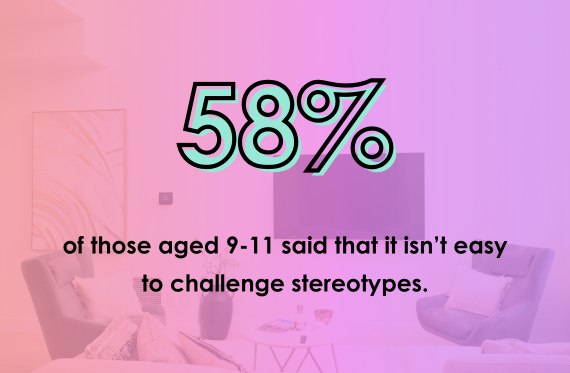
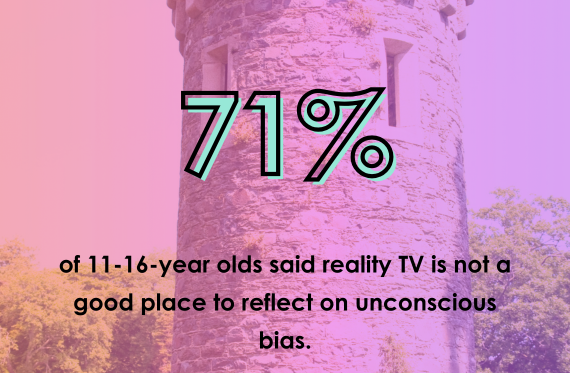
Secondary, 16+ & College voters discussed, "Should reality TV help us reflect on unconscious biases?", while Primary 9-11 voters were asked, “Is it easy to challenge stereotypes?” and Primary 5-9 voters considered, "Is it easy to work out what people are like?"
58,308 young people in the UK have taken part in this vote.

It isn't easy to change society as if people have been going according to stereotypes for years it would be extremely hard to change society over one year.

Yes because it can show when people are been singled out for being different and people not standing up for them and we judge people without realising we are doing it.

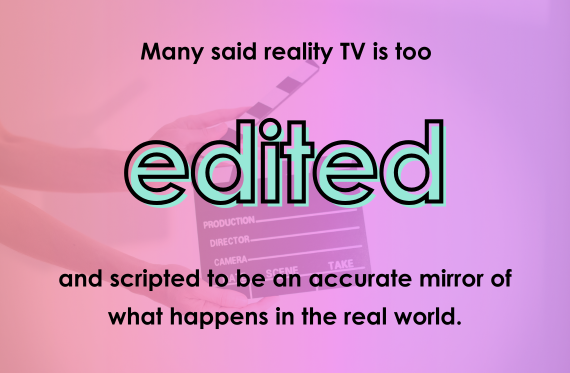
No, because it is not real, we can't use it to reflect on unconscious bias in the real world.
Thank you to Ed Kirwan, CEO of Empathy Studios & Empathy Week and Pip Eldridge at Voice of the Listener and Viewer for responding to voters on this topic!
Pip Eldridge, Voice of the Listener & Viewer:
"TV is a powerful medium and gets us thinking, judging by the young peoples’ thoughtful answers. TV can change public opinion on a whole range of issues, motivate us to take action to improve our lives and the world around us – from issues such as climate change and plastic pollution, mental health and homelessness. News, drama, documentaries, comedies and reality TV all play a role in engaging us with a range of topics and stories which influence the way we live our lives and view the world. A national conversation about unconscious bias is a great example and we will use these results to evidence how the BBC still plays an important role in catalysing these debates."