


Impact & Results

Each week hundreds of thousands of young people vote on our latest lesson. Here's what they say, and how their voices are changing the world.
You can see how our voting is impacting the world on our impact page:
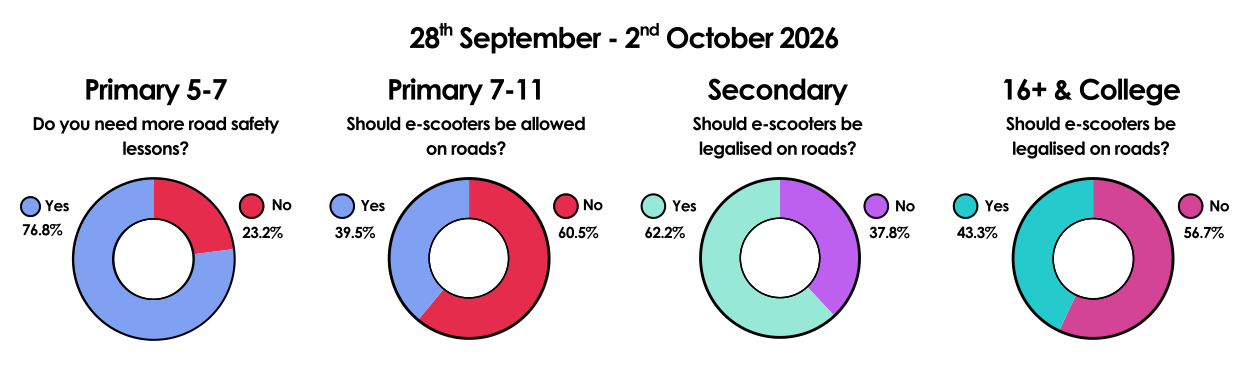
Pupil Voice28th September - 2nd October 2026
With the first trial launched in 2020, e-scooters have become an increasingly recognisable sight in our town centres. Yet they are not without their critics and have been a continual source of confusion for both legislators and the public. Currently classed as motor vehicles, e-scooters are illegal to ride in the UK outside of one of government-approved rental schemes. Popular as a budget and eco-friendly option for short journeys, you must currently have a driving license (full or provisional) to rent an e-scooter with a limit to one user at a time and helmet use encouraged. Critics say these safeguards are not enough with 2,390 casualties involving e-scooters in 2024, including 6 deaths recorded. Other major European cities have abolished their e-scooters schemes due to a rise in accidents. The UK government has yet to make a final decision. What do young people think? A fun and eco-friendly way to get around? Or more accidents waiting to happen?

total votes

voters aged 5-11

voters aged 11-16+
21st - 28th September 2026
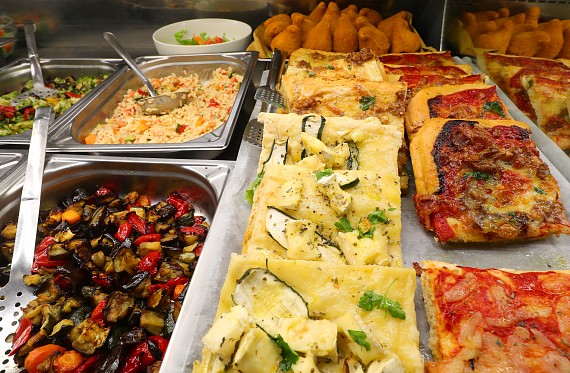
In Sepmtember, the UK government unveiled their new food standards for schools across the UK. With one-in-three children leaving primary school overweight or obese and tooth decay being the leading cause of hospital admissions for 5-9-year olds, these “once-in-a-generation changes” aim to improve the health of the nation’s children through improved nutrition in school dinners. Wholegrains, fruits and vegetables are now the order of the day, with high sugar and fat content foods being restricted or removed entirely. Developed alongside nutritionists and public health experts, the new school food standards are backed by campaigners, charities and nutritional experts. But are they backed by those who will be on the receiving end? We asked our voters where they stood on the planned revamp of canteens and cafeterias nationwide.
find out more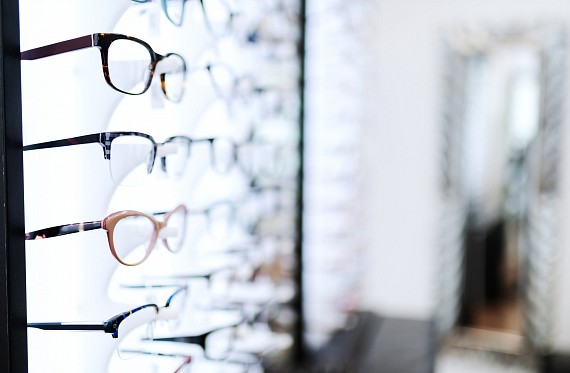
7th - 14th September 2026
June 2026 saw the release of Meta's latest smart glasses. Featuring speakers, camera, processor and microphone, they let users take photos and video hands-free and interact with an AI assistant in real-time based on the glasses’ visual feed. Meta’s top-of-the-range model even has an in-built display, allowing users to view messages and other content entirely through the glasses. Mark Zuckerberg sees a future where these glasses have replaced smartphones, as they have all the same benefits while allowing users to be present in the moment. Supporters also see them as game-changing for Disabled people’s independence. Not everyone agrees. Critics have major privacy concerns about the on-board camera allowing users to film others without their knowledge; there have already been reports of people covertly filmed in public for social media content. Though the glasses have an LED that blinks during any filming, sceptics say it is not reliable and often hard to see. So, through which lens do the always-online generation see smart glasses?
find out more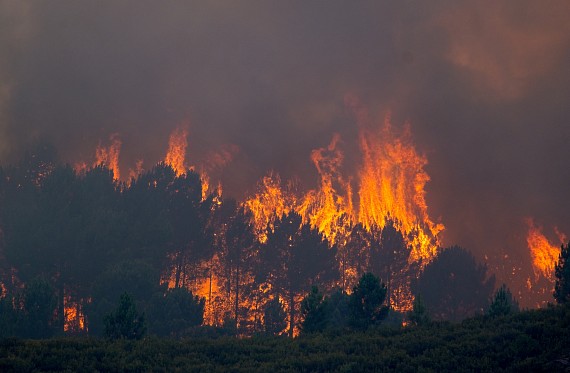
31st August - 7th September 2026
This summer was the UK’s hottest on record, according to provisional data from the Met Office. With 40 days of temperatures over 30°C and widespread drought across England and Wales, it is no surprise that the UK has been experiencing larger and longer-lasting wildfires than ever before. In 2025, fire and rescue services respond to nearly 1,000 wildfire incidents and this year saw 19 homes in Stourbridge destroyed by wildfire. Although dry conditions increase the chances of a wildfire, most are the result of human action, either deliberate or accidental. Disposable BBQs, discarded cigarettes, campfires and even discarded glass bottles have been known to start fires. With the UK set to experience hotter and drier summers, do young people see a need for more wildfire safety education?
find out more