5-11 votes
11-16+ votes
Total votes
This summer was the UK’s hottest on record, according to provisional data from the Met Office. With 40 days of temperatures over 30°C and widespread drought across England and Wales, it is no surprise that the UK has been experiencing larger and longer-lasting wildfires than ever before. In 2025, fire and rescue services respond to nearly 1,000 wildfire incidents and this year saw 19 homes in Stourbridge destroyed by wildfire. Although dry conditions increase the chances of a wildfire, most are the result of human action, either deliberate or accidental. Disposable BBQs, discarded cigarettes, campfires and even discarded glass bottles have been known to start fires. With the UK set to experience hotter and drier summers, do young people see a need for more wildfire safety education?
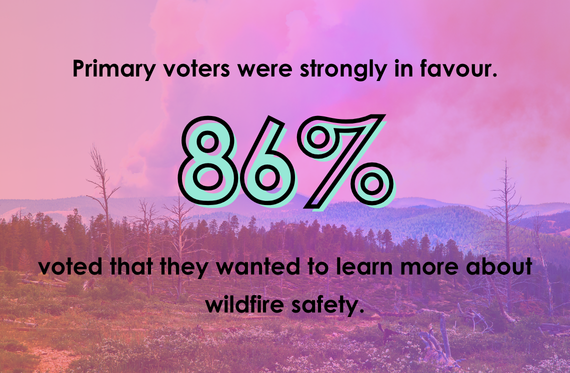
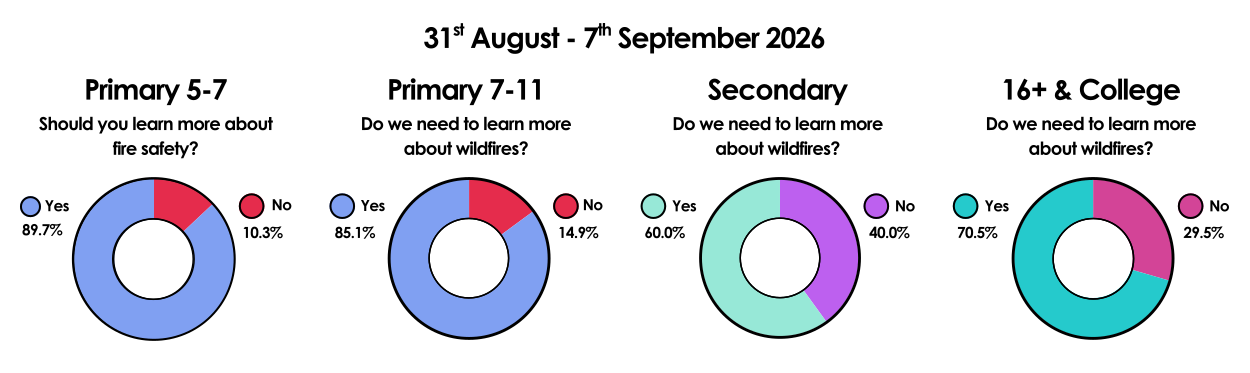
Primary 5-7 voters were asked: "Should you learn more about fire safety?
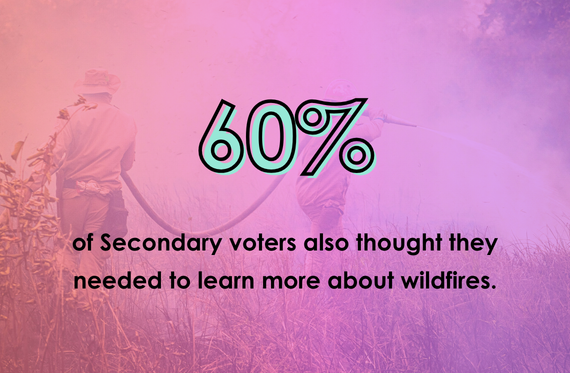
Primary 7-11Secondary, 16+ & College voters discussed: “Do we need to learn more about wildfires?"
13,682 young people in the UK voted on this topic, with more participating in discussions in their classrooms.

Yes because it may help us in an emergency. When we get older, we might spot a wildfire and we might need to know how to handle it.

The majority believe that we should learn about wildfires but thought that this should be done in the summer months.

We already have learnt a lot about wildfires.
Thank you to the British Red Cross and England & Wales Wildfire Forum for responding to our voters.
Robert Stacey, Secretary - EWWF:
Wildfires are becoming a big issue across the UK and are causing more and more damage. The majority of wildfires in the UK are accidentally or deliberately started by people, which means most wildfires are preventable. We all therefore have a responsibility to help reduce the chances of wildfires starting in the first place.
It is great to see that many of you feel you need to learn more about fire safety and wildfire prevention. If you understand more about wildfires, then you can help us to prevent wildfires in the future and by doing so you will help protect your communities and the environment.
Thank you for discussing wildfires in your classes. I hope you found this an interesting topic and I hope many of you will choose to try and find out more. I am now going to share the feedback you have provided with members of the England and Wales Wildfire Forum and the UK Government and will ask that they consider how to help children and young people across the country to learn more about wildfires and fire safety."
William Spencer, Disaster & Emergency Project Manager - British Red Cross:
"Our climate is changing, and so too are the emergencies the British Red Cross responds to day in, day out. Being prepared for emergencies is a job for all of us, not just the authorities. So to see the responses to your recent survey on wildfires, gives me hope. We all need to learn how to be safe and how to prepare for these new crises."