


Results & Impact
Each week hundreds of thousands of young people vote on our latest lesson. Here's what they say, and how their voices are changing the world.

1st - 8th May 2026
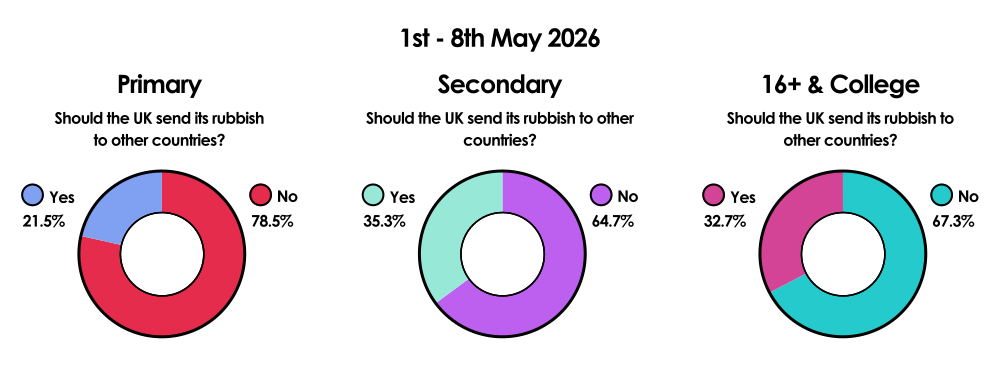
According to the Environmental Investigation Agency, the UK exported nearly 600,000 tonnes of plastic waste in 2024. Many countries send waste overseas for recycling: it is often cheaper than domestic processing and can help them reach recycling targets. The idea is that this rubbish is properly recycled upon arrival, with the countries on the receiving end getting an economic boost. However, due to contaminated materials or unscrupulous behaviour of “bad actors” in the industry, it can often end up in landfill or fly-tipped. Critics see this arrangement as a way for wealthy nations to shirk their environmental responsibilities, labelling it “waste colonialism”. For supporters, it is a mutually beneficial way of solving a persistent problem. Often the most passionate demographic on environmental issues we wanted to know where young people stood on this topic.
Primary 5-11, Secondary, 16+ & College voters were asked: “Should the UK send its rubbish to other countries?

total votes

voters aged 5-11

voters aged 11-16+
You can see how our voting is impacting the world on our impact page:
Our Impact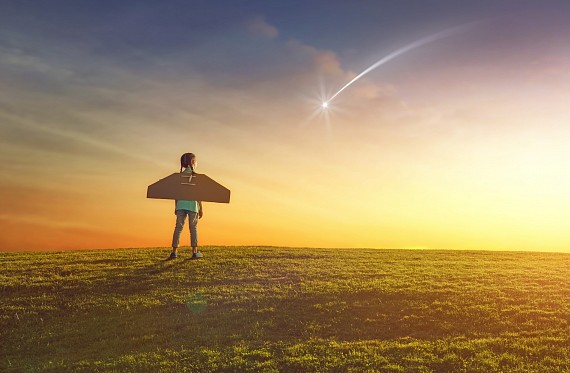
17th - 24th April 2026
Saturday 11th April saw the completion of NASA’s historic Artemis II mission. The 10-day journey successfully completed a flyby of the moon and took the crew farther from Earth than any humans have been before. NASA says this is just the beginning, with further launches and lunar landings planned in the coming years. Space travel has captured the imaginations of young people for generations and, with plans for a Moonbase and even travel to Mars on the horizon, it seems theirs could be a world previously only imagined in the realms of science fiction. But do they see it this way? We wanted to know how young people felt about space travel, following NASA’s recent success.
see results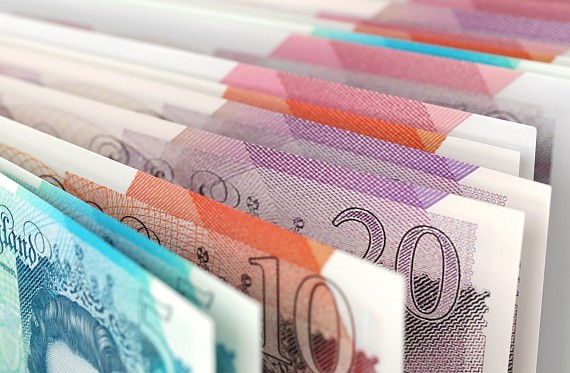
27th March - 17th April 2026
The Bank of England recently announced the results of a public consultation about what should feature on their new series of banknotes. Over 44,000 members of the public contributed, with the majority (60%) selecting British wildlife as their preferred theme. Wildlife charities have welcomed the decision, with the RSPCA saying it is a “wonderful way to celebrate the animals that we share our towns, cities and countryside with”. But it is not without its critics. Some MPs have spoken out against the change, particularly the removal of Sir Winston Churchill. Conservative leader, Kemi Badenoch, said that it is “removing our history”. We wanted to know what young people thought about this change and with which side of the debate they felt most aligned. Do they see it as an opportunity to celebrate a new part of British culture, or as an erosion of our past?
see results
20th - 27th March 2026
Louis Theroux’s “Inside the Manosphere” has sparked conversations around the kind of online content influencing our young people, especially boys and young men. Views and subcultures previously found in fringe spaces are being brought into the mainstream and the strange world of looksmaxxing is a prime example. Emerging from message boards dedicated to pick-up artistry and so-called incel culture, looksmaxxing focuses on improving physical appearance to increase social status, particularly when it comes to dating success. Ranging from seemingly harmless advice around skincare and fitness (softmaxxing) to a darker world of DIY “bonesmashing” programmes to alter facial structure (hardmaxxing), looksmaxxing’s influence is becoming harder to ignore. For some, it is just part of self-improvement but to others, it’s part of a dangerous online community. With many adults unaware of this new culture, we wanted to ask young people what they think of the growing influence of looksmaxxing.
see results